
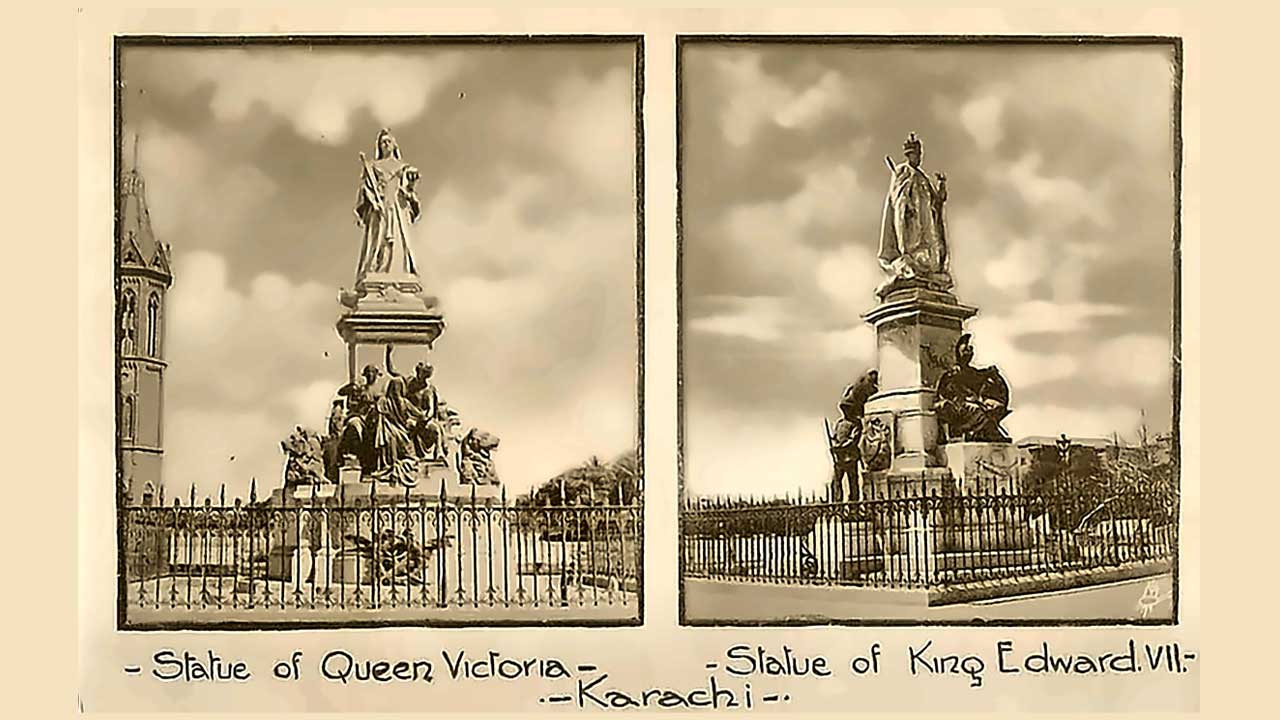
Stand anywhere in Karachi today and you will find roundabouts, fountains, and the occasional tarnishing monument. What you will not find are the bronze and marble statues that once stood in the city's public squares. Their absence asks: what does…
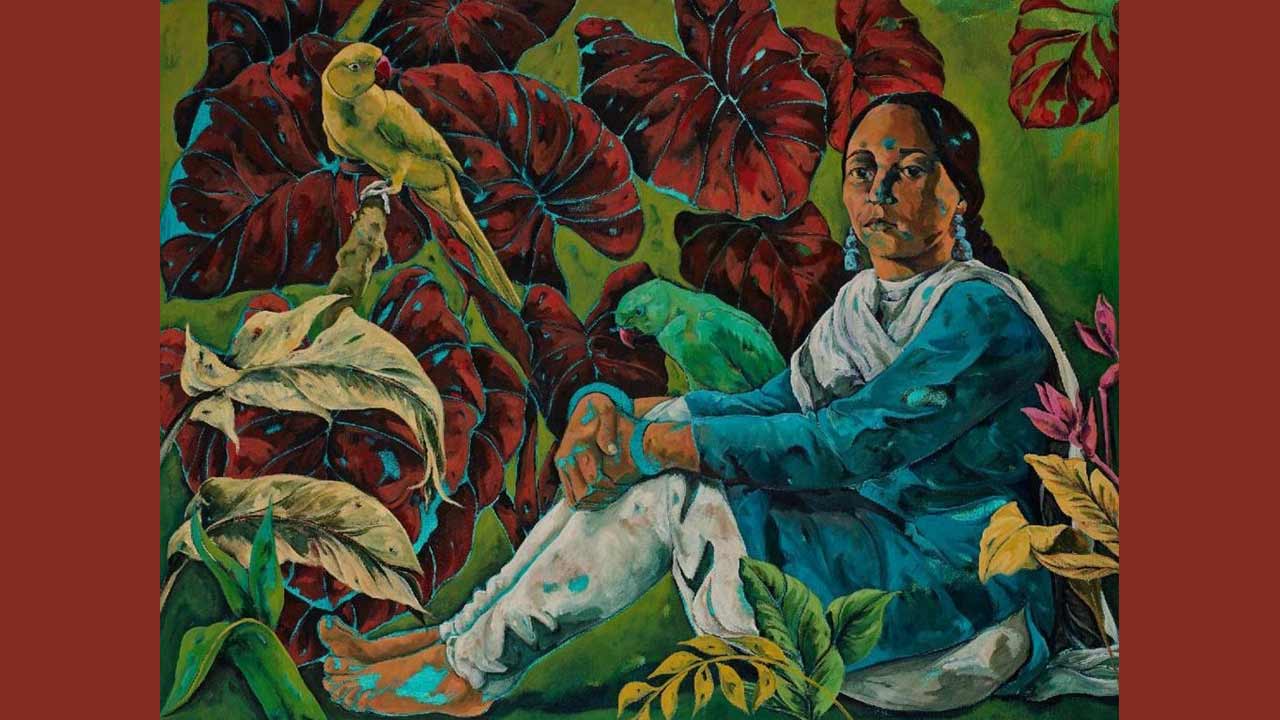
The women in Farazeh Syed’s paintings come to us from colonially produced and disseminated photographs that never intended to tell the subjects’ real stories. Syed’s exploration of this history is presented in her solo exhibition, All the Women in Me.…
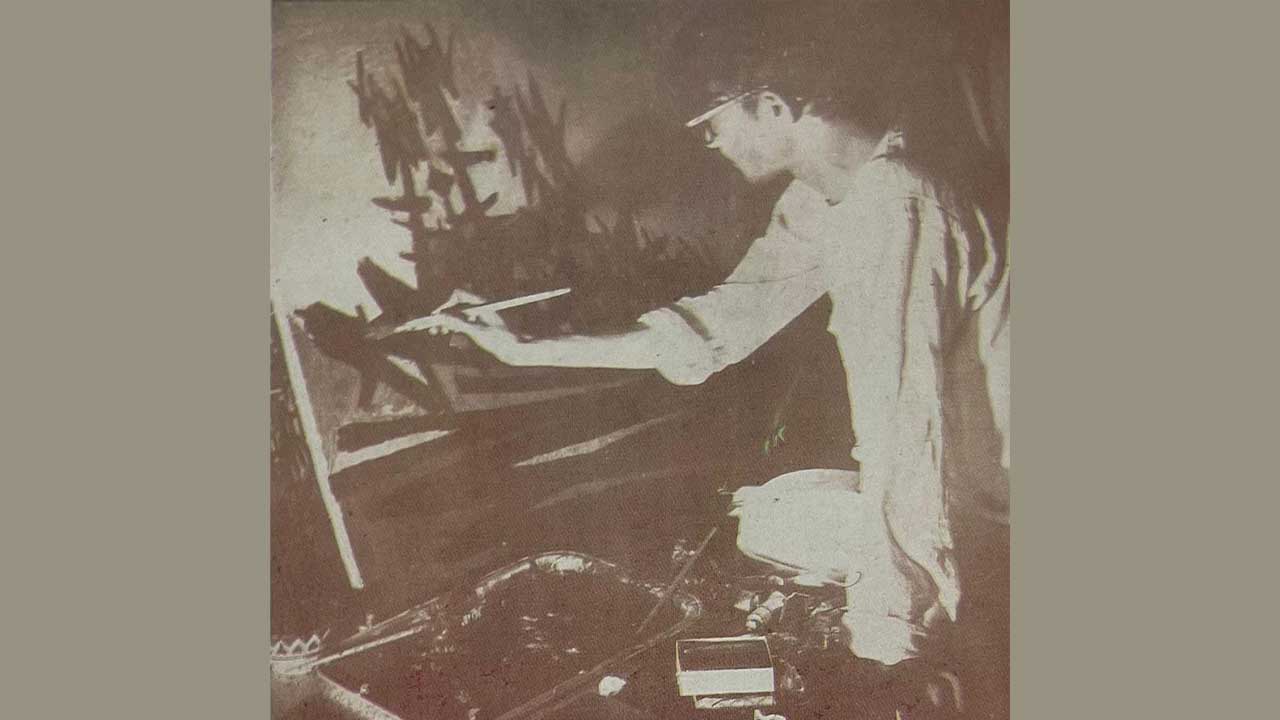
The more you immerse yourself in Sadequain’s art the more you become aware of the vast vision and intellectual depth that unfolds in his murals, paintings, drawings and illustrations. The ambition of his scale and inventive breadth comes together to…

Cities keep stories They are embedded in weathered buildings and fading signboards, in brittle documents, forgotten photographs and carefully folded maps whose creases have survived generations of use. Some are preserved in libraries and museums; others remain hidden in private…
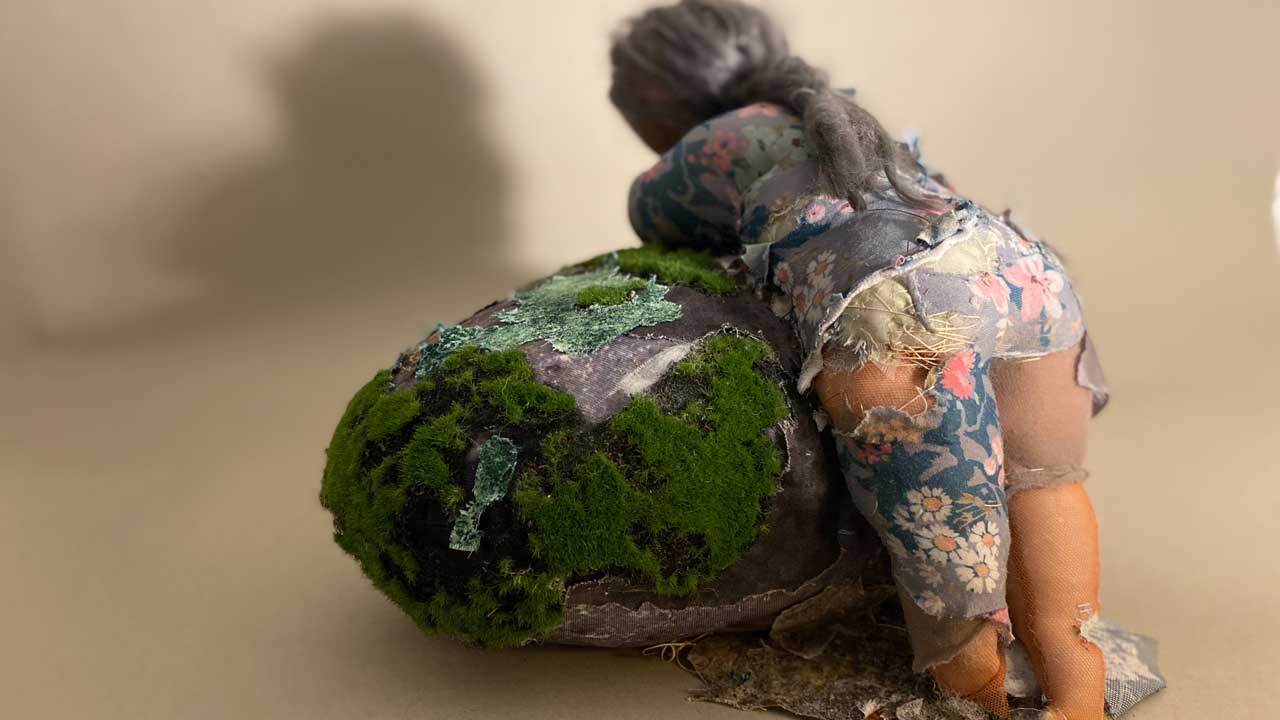
When the diverse quadrants of human experience convene in one show, it is an absorbing encounter that stays with the viewer and leads us to question reflexive paradigms of memory and social immersion. Ai Wei Wei says “Art has to…
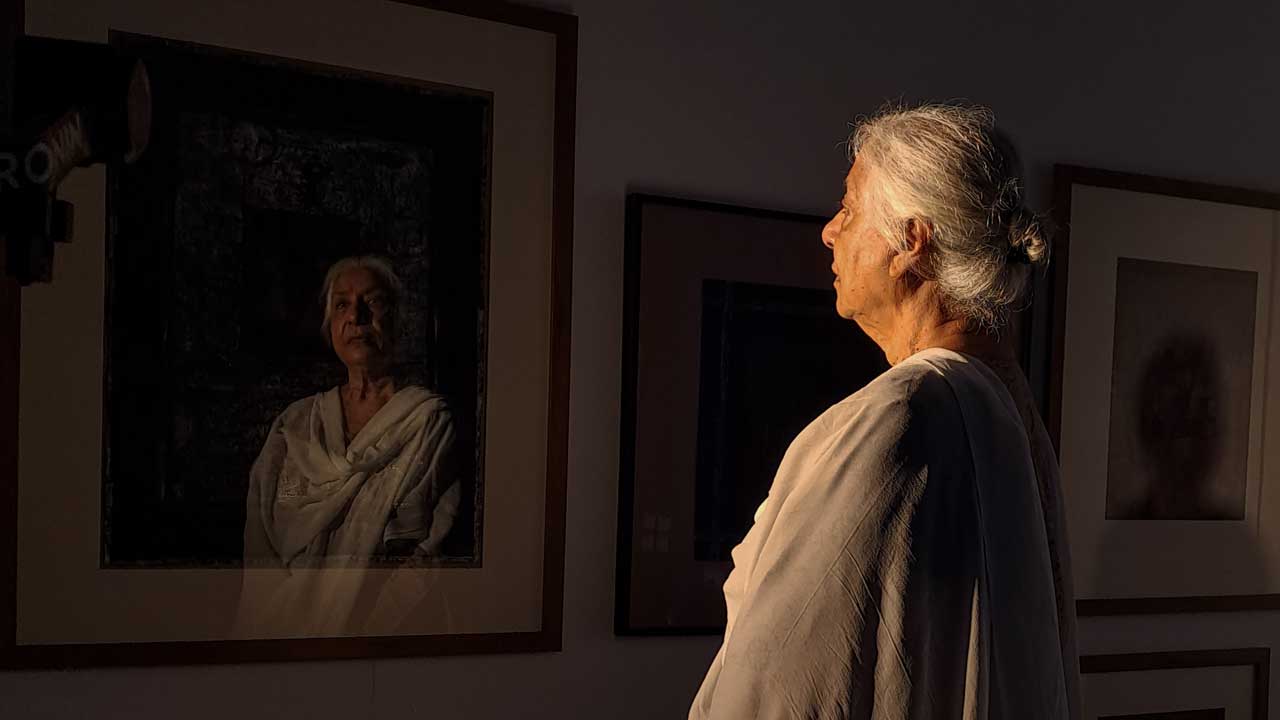
Meher Afroz’s multilayered art connects strands of thought with rich and restrained color. It holds secrets that concern the nature of existence and is impregnated with esoteric meaning. As one of Pakistan’s most iconic contemporary artists, Meher’s decades-long output richly…
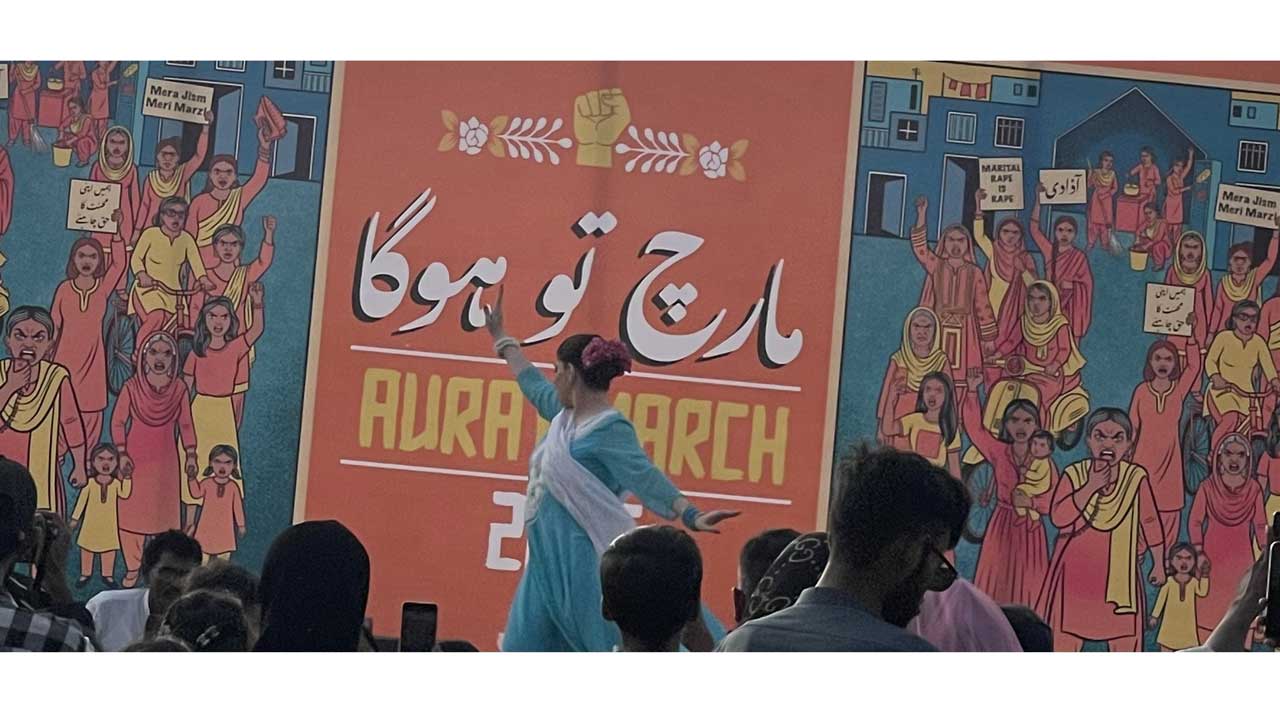
The Aurat March is a space where art meets activism. Here song and dance, talks and posters communicate the struggles of women: for control over their body, escape from abusive marriages, demands for basic rights like justice, security and education.…
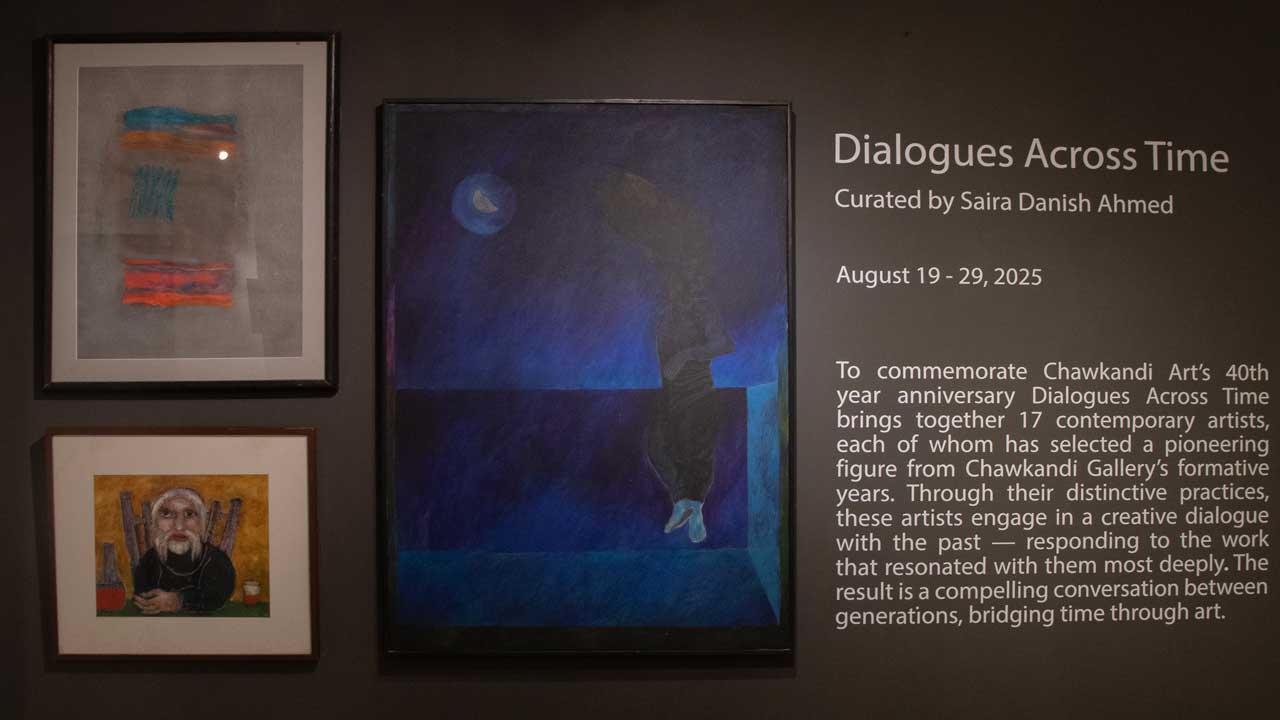
Karachi --- On occasion of Chawkandi Art Gallery’s 40th anniversary, Dialogues Across Time invited seventeen practicing artists to come vis-à-vis with experienced veterans, who once shaped the gallery’s advancement in its early years. Chawkandi’s founder Zohra Hussain recalls these initial…
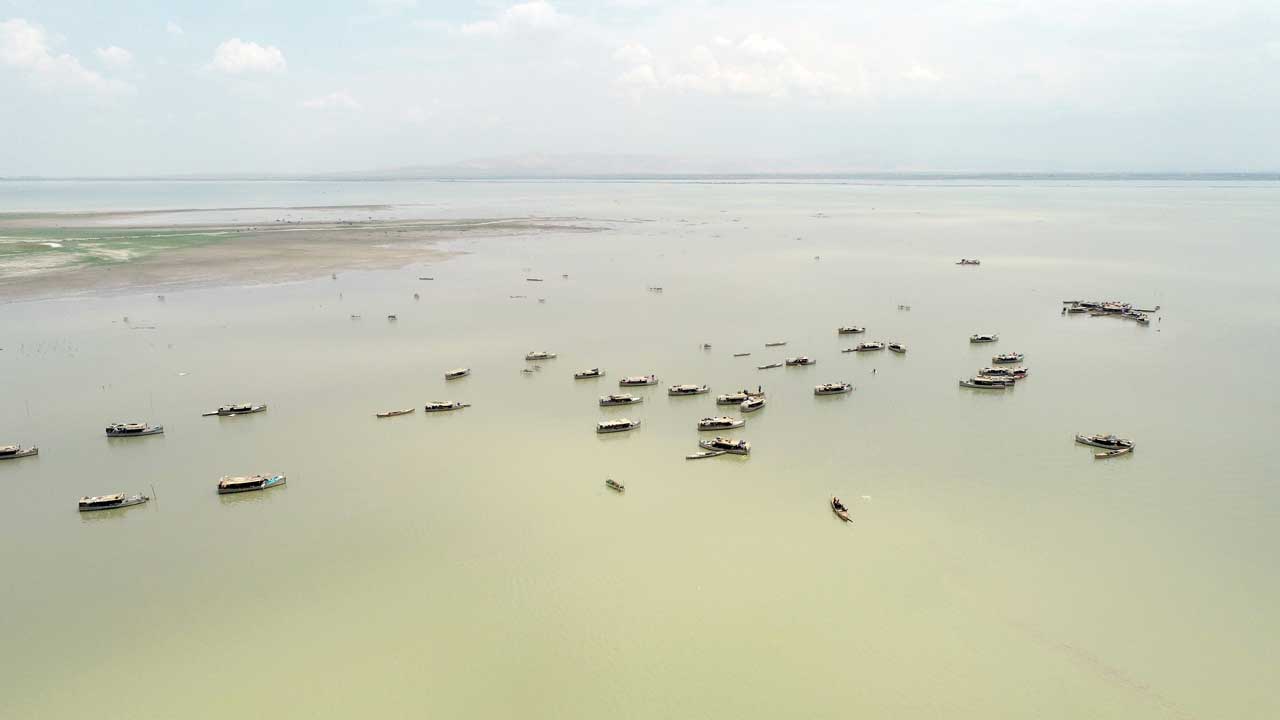
The lake is already awake when the artists arrive. Houseboats rock gently, fastened more by habit than rope. Nets dry in uneven arcs along their wooden spines. Children lean over the water’s edge, watching reflections rupture and reform. For five…
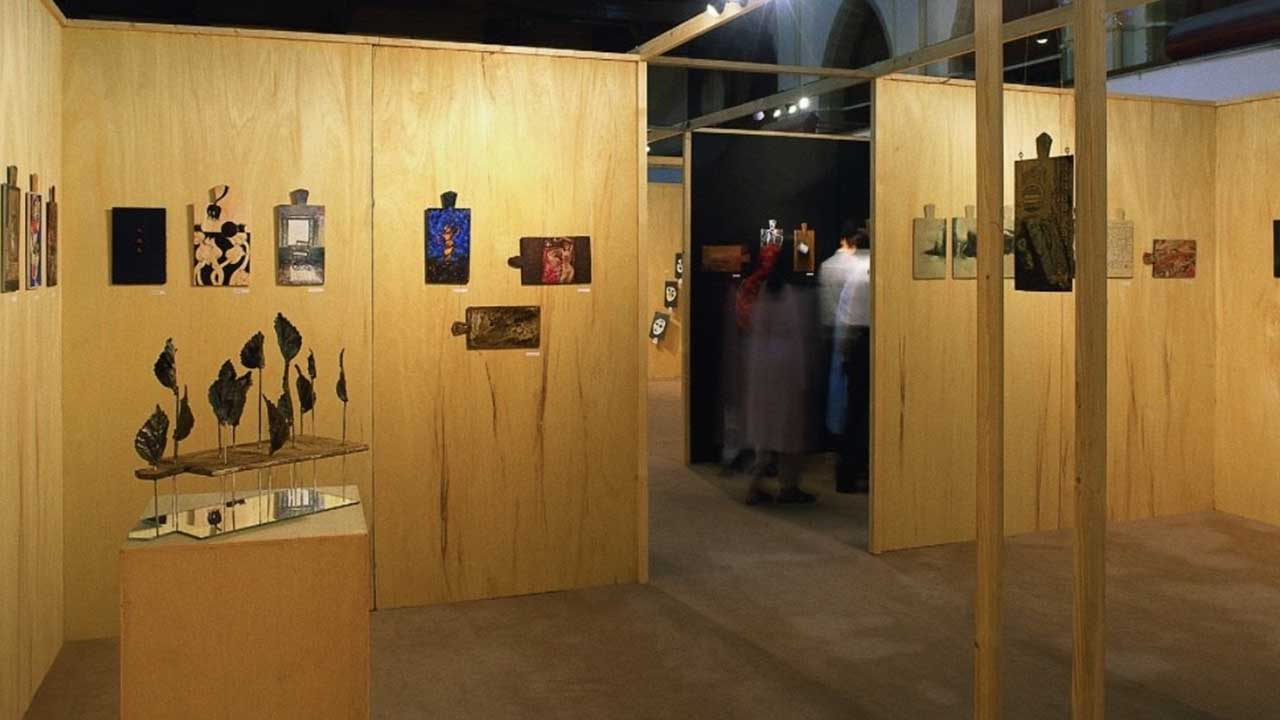
We are twenty-five years into the new century, and despite all the curbs on freedom of expression Contemporary Art has successfully navigated the deeply fraught terrain and become an integral part of the country’s cultural consciousness. Curatorial practice has supported…
- 1
- 2