
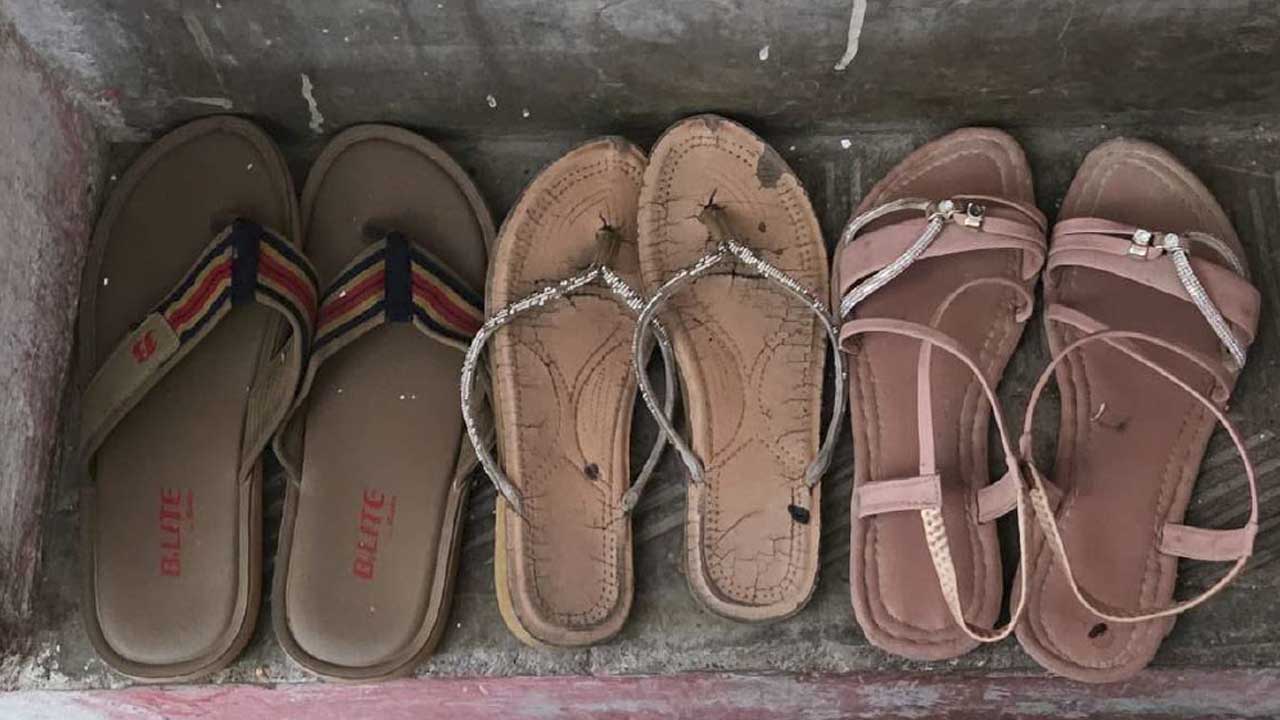
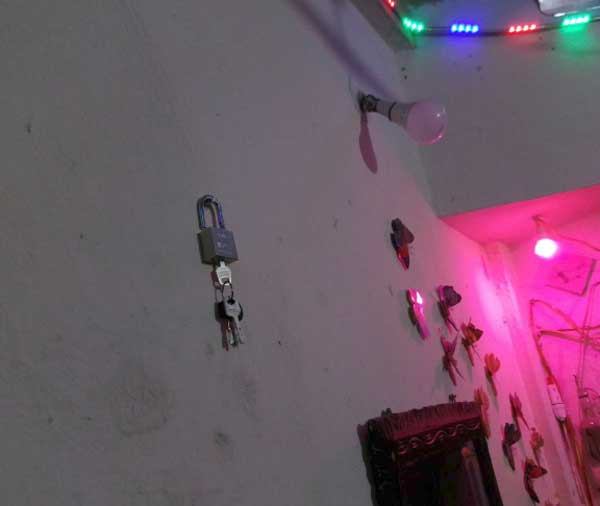
Saba Gul Khattak, one of the stalwarts, valorous editor of the project explains the strategy for conducting the research. “In Pakistan we focused on hearing the voices of Pakistanis and Afghans in Pakistan, emphasizing that people involved in transactional sex speak for themselves to avoid misrepresentation. We also relied on persons involved in transactional sex to conduct the interviews to minimize the distance between ‘the researcher’ and ‘the researched’.
Khattak tells us they conducted 92 interviews of which 71 were with transactional sex workers and 21 with field researchers who were involved with humanitarian work on the ground. Of the sex workers, 51 were women, 8 were men and 12 were transgender. The interviewees were between 19 and 39 years of age and the women were largely widowed or divorced. Surprisingly, it was seen that Pakistani women had primary education while Afghan women held university degrees. Of course, transgender people faced profound discrimination across the board.
There is much we as Pakistanis or Afghans take for granted about Pashtoon tribal culture that requires contextualizing, and Noreen Naseer takes the time to give us the lay of the land in her chapter Surviving in the Conflict-Ridden Pakistan-Afghanistan Borderland. Over the decades, their archaic codes of honor — specially the deeply embedded three pillars are the crux of all dispute, discord and blatant incongruities Zan, Zar and Zameen, (translating as wealth, women and property) have become more deeply embedded and etched into societal infrastructures instead of loosening their hold on norms because of the ‘militarized economy’ as she calls it. It is natural that the women bear the brunt of the suffering and their endurance is tragic.
Naseer makes us cognizant of the fact that in other parts of the world, women are determinedly increasing their territorial rights; one protest at a time, one amendment at a time, one small legislation at a time. But sadly, in this forgotten part of the world, women continue to be degraded and lose whatever little they once had. ‘…the voices of tribal women remain unheard, their stories untold. Even international women’s forums have largely ignored their plight focusing instead on more visible urban or more global struggles’.
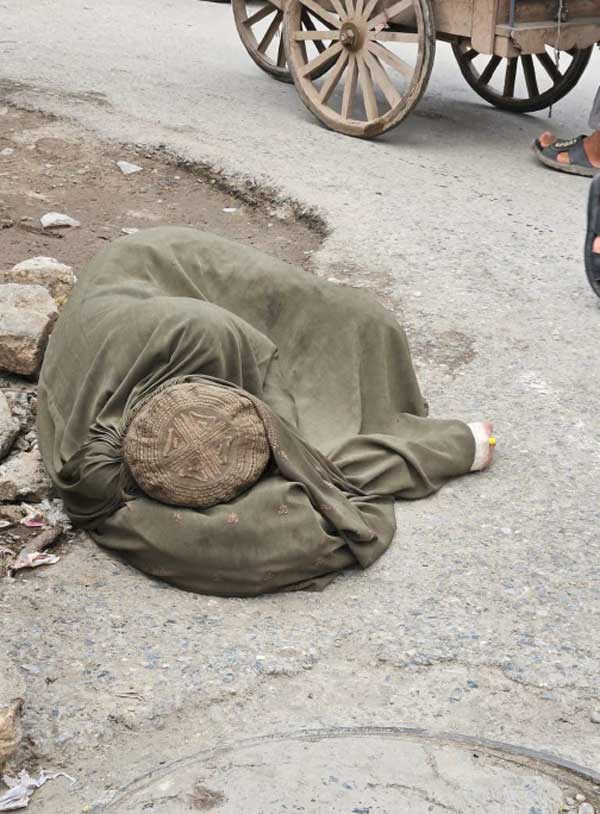
Naseer goes on to point us to a glaring fact that we would normally miss. The young men have suffered equally in this tragic unforgiving topography. Orphaned at a young age, left to fend for themselves, starving and neglected, they are the lost boys of this and previous generations. They have been forced to cultivate sexual relationships with older men to survive ‘Violence, coercion, manipulation and emotional dependency become normalized survival strategies’, says Naseer
Clea Kahn takes us through the premise of the framework by which the photographs were taken for use in the book, since they were destined to become the most compelling part of the book. She explains why they used the PhotoVoice methodology ‘PhotoVoices an excellent complement to the ListenH peer research methodology, in which the lived experiences of people who have navigated difficult choices during humanitarian crises are integral to the design of the research, the collection and analysis of data and its dissemination’
It is formal to say data collection and dissemination. It takes away from the fact that the people on the ground, who witness the real suffering, some who are the true victims, have contributed to these stories and taken these photos. If that doesn’t make us comprehend just how demanding and terrifyingly perilous it has been for members of this project, from start to finish, there is no way to explain it in syntax.
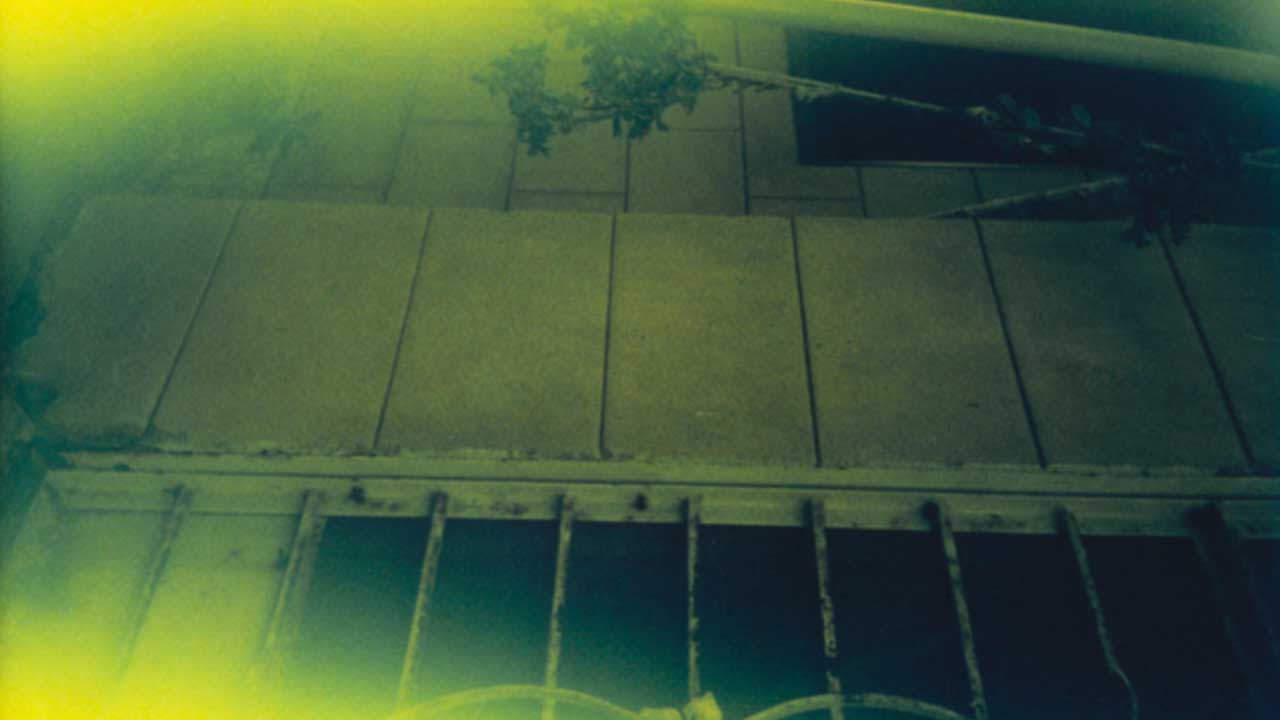
With all the context and history, the photographs constitute the heart of the book. They are heartbreaking, tender, anticipatory, aching, distressing, voyeuristic and deeply, deeply disturbing. There is not a moment of joy anywhere – not in the ray of sunlight shining on the new shoots of lime-green leaves, not in the beautiful ancient architecture of a wooden latticed ‘jharoka’ seen from the perspective of a girl in a bright fuchsia dupatta; not in the little bouquet of pretty artificial flowers in the hands of a young boy. But thankfully they all tell a story. The respondents in the book are desperate for that. They want their stories to be told.
Giving Voice To Silence, Saba Gul Khattak, Noreen Naseer, International Institute of Social Studies Of Erasmus University of Rotterdam (ISS), Produced by ListenH project of ISS, Rotterdam, 2026.
Nafisa Rizvi
Nafisa Rizvi is an art writer and independent curator. She has curated shows of Pakistani artists in Dubai (Stop Play Pause Repeat in 2012) and Philadelphia (They Really Live the Real Reality in 2015). She has edited and contributed to the book on artist Imran Mir What you See is What you See, and likewise to the monograph on artist Asim Butt, Rebel Angel. Nafisa Rizvi has contributed an essay in the popular book on Pakistan’s contemporary art The Eye Still Seeks edited by Salima Hashmi and published by Penguin India. She writes continually for newspapers and magazines internationally and in Pakistan.

There are no comments